
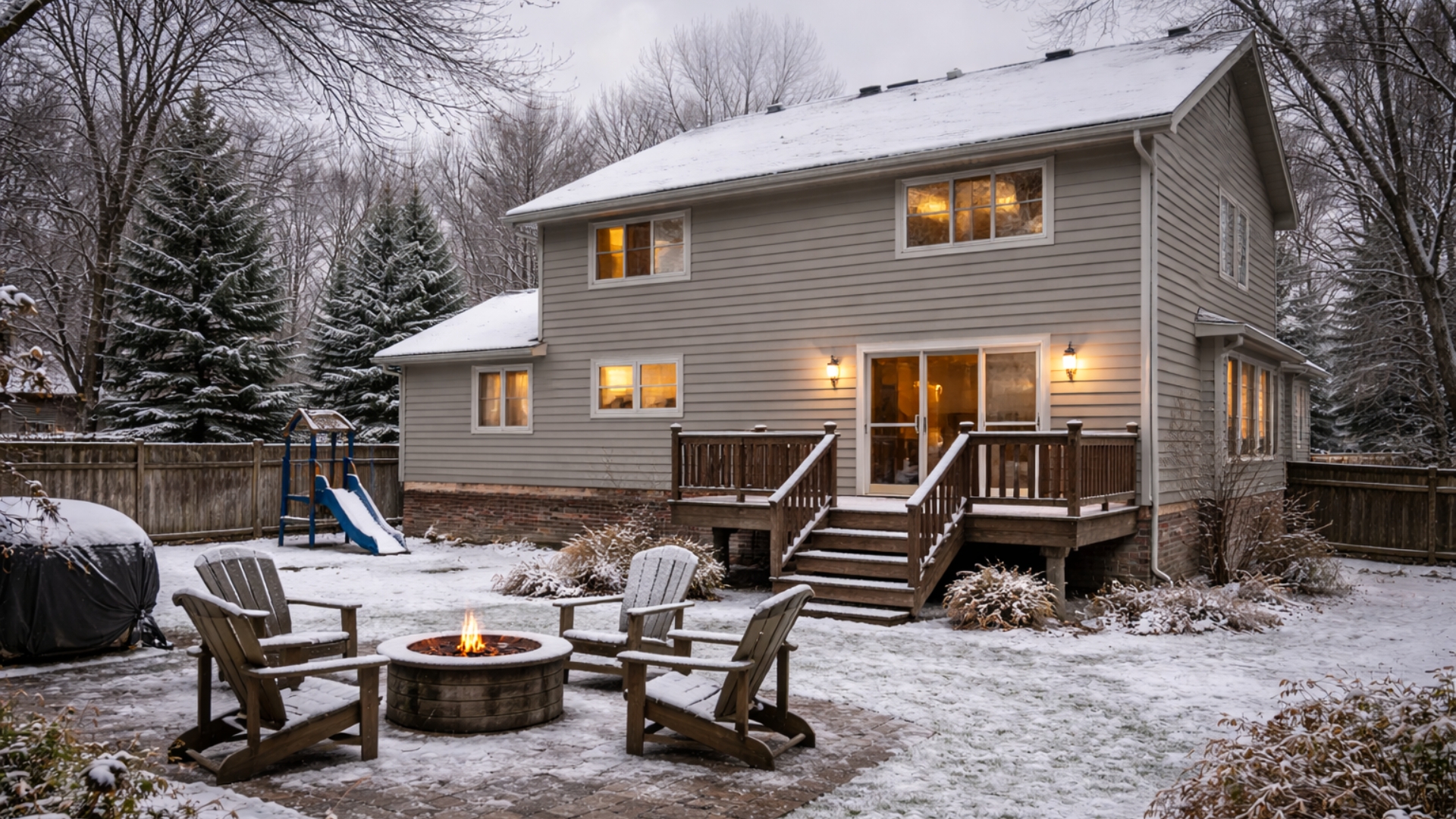
A few months ago, a homeowner in the Twin Cities said something we hear all the time:
“We love this house. We love this neighbourhood. We just don’t have the space anymore.”
Kids grow up. Parents get older. Rental goes wild. And somehow, the house that once felt perfect starts to feel like it’s holding everyone hostage.
That is where ADUs come in.
An Accessory Dwelling Unit, or ADU, is a fully self-contained living space built on the same lot as your main home. It has its own kitchen, bathroom, and living area. It is not a bedroom with a hot plate. It is a real home.
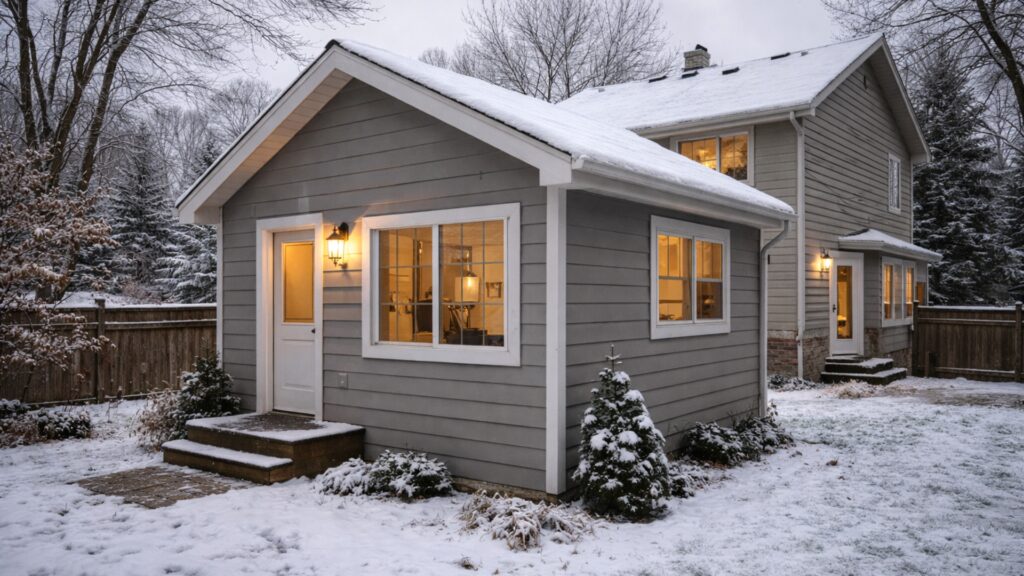
In places like Wayzata and across Minnesota, ADUs are showing up as backyard cottages, converted garages, finished basements, attic apartments, or small detached homes tucked behind the main house. Some people call them in-law suites, carriage houses, guest houses, or garden cottages. The name is less important than what they solve.
They let families stay close without being on top of each other.
 The real reason people build ADUs
It usually starts with a person, not a project.
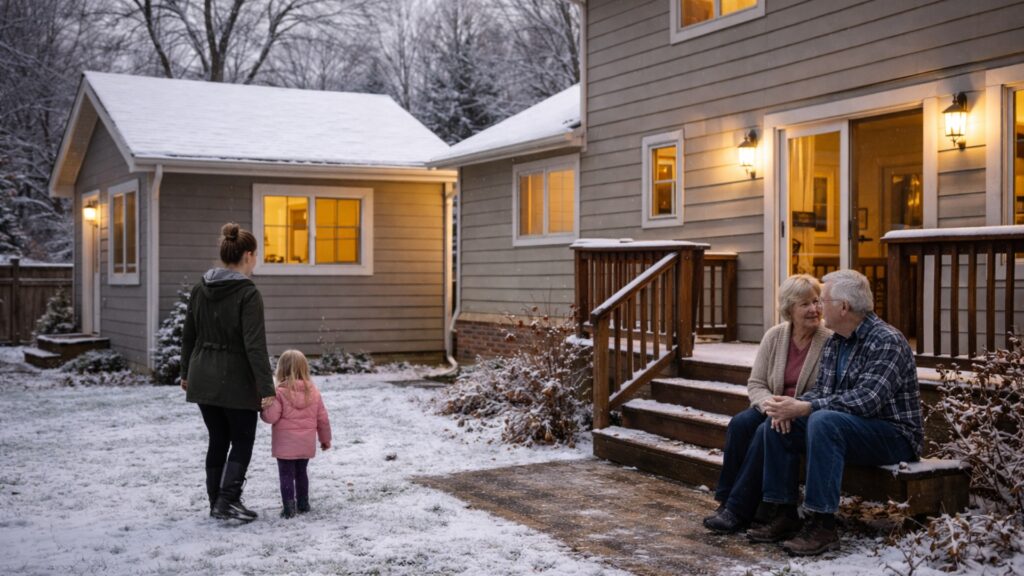
A mom who wants her aging parents nearby but still independent.
A college kid who comes home but needs their own space.
A family that wants rental income without turning their home into a duplex.
Someone who wants to downsize… without actually leaving.
Building a second living space on land you already own is one of the most cost-effective ways to expand. You already have utilities. You already have the lot. You are not starting from scratch.
And because ADUs are smaller by design, they use fewer materials, require less energy to heat and cool, and create a lighter footprint than building another full-sized home somewhere else.
 What an ADU actually looks like
There is no single style.
Some ADUs are created inside the existing house. Think finished basements with their own entrance, or attic conversions with a kitchen and bath. Others are additions to garages or built as detached backyard cottages.
They are always meant to visually fit the main home. The goal is not to build something that screams “rental unit.” It should look like it belongs.
The rules you need to know before dreaming too hard
This is where most people get stuck. Minnesota cities allow ADUs, but each city has its own requirements. In Wayzata, for example, the ADU cannot exceed 33% of the main home’s living space or 960 square feet, whichever is smaller. The minimum size is 300 square feet.
Detached ADUs are only allowed on lots larger than 11,000 square feet. Parking requirements increase from two to three off-street spaces. Either the main home or the ADU must be owner-occupied. Only one ADU is allowed per lot.
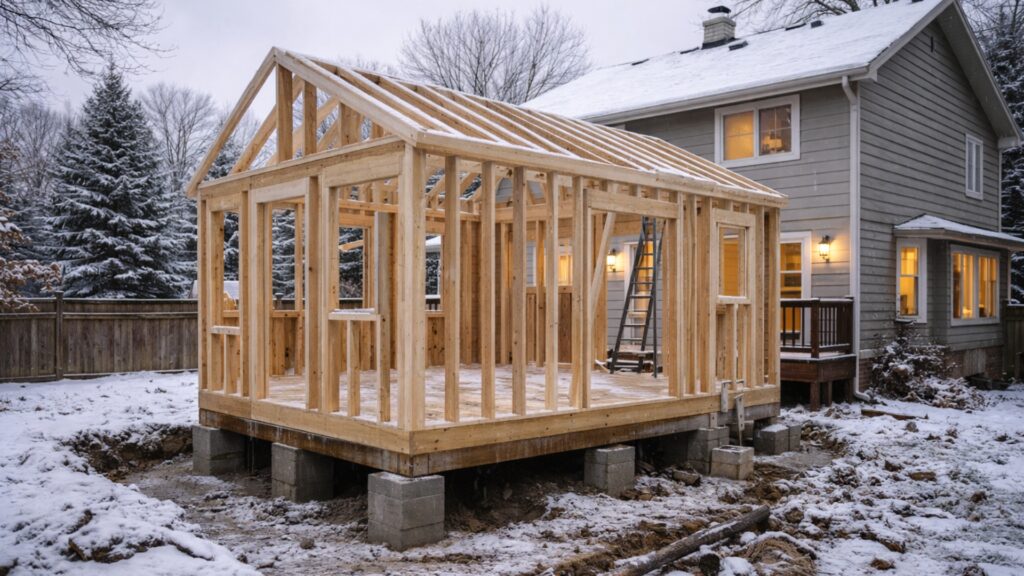
The unit must be fully independent. Separate entrance. Fire separation. Code-compliant utilities. Proper footings and foundations. If it is rented, you will need a rental license.
This is not a weekend project. It is a real build that must pass real inspections.
The part most people do not think about
An ADU is not just another room. It functions like a small apartment. That means:
- Fire separation between units
• Proper egress and entrances
• Utilities sized for two homes
• Heating, electrical, and water controls for the occupant
• Permanent foundations and frost-protected footings
• Compliance with Minnesota State Building Code
When done right, it feels seamless. When done wrong, it becomes a liability.
 Accessory Dwelling UnitsWhy we are offering ADU builds
At Hasselquist Contracting, we are already inside your homes fixing framing, rot, water damage, insulation failures, decks, electrical systems, plumbing, and structural issues.
ADUs are not a stretch for us. They are a natural extension of what we already do.
We know where Minnesota homes fail. We know how moisture moves. We know how winters destroy poorly planned spaces. An ADU should not be built like a backyard shed. It should be built like a home meant to last decades.
If you have ever thought, “I wish we had more room, but I don’t want to move,” an ADU may be the smartest option you have not explored yet.
And it starts with a conversation, not a blueprint.
